
Recursos del Paciente
Manténgase sano!
Children's Well-Being Plummets Across 29 States, Report Finds
- June 8, 2026
- Andria Park Huynh HealthDay Reporter
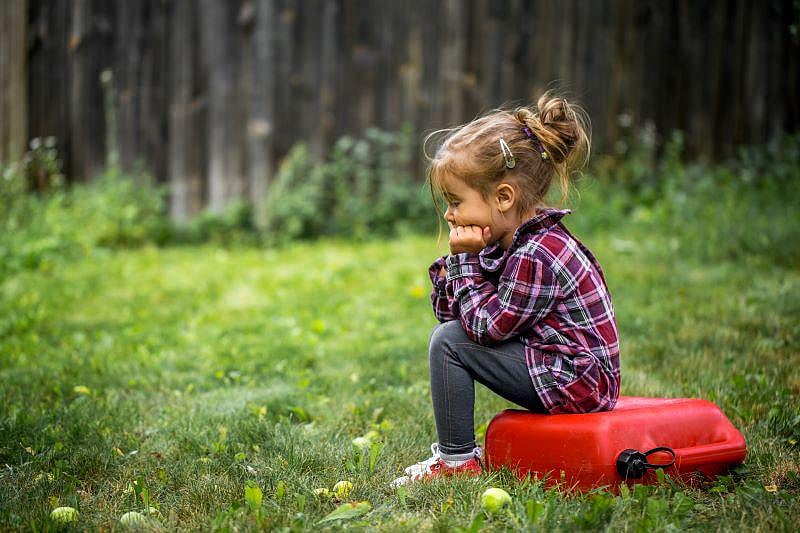
The kids are not all right, at least in the United States, according to a new report showing a nosedive in children's well-being from 2019 to 2024.
In 29 states, the overall U.S. score fell from 553 to 547 on a 1,000-point scale, a decline that surpasses pre-pandemic numbers, the report found.
This score measures children's well-being across four categories: economic well-being, education, health, and family and community, according to the Anne E. Casey Foundation's 2026 Kids Count Data Book.
Here are some notable findings:
Eleven of 15 states that saw the greatest gains in children’s well-being were in the South. South Carolina had the largest spike of any state, 38 points.
Five of the seven states with the largest declines in well-being were in the Northeast, led by Maine.
Scores among the West were widely varied – ranging from 281 in New Mexico to 759 in Utah, which fared at the top in the region.
Four Midwestern states — Nebraska, North Dakota, Iowa and Minnesota — followed behind Maine for the biggest drops in kids' well-being.
The index aims to make it easier to see how states are performing over time and how they compare with one another. The foundation prefaces that "the latest data through 2024 do not reflect today’s realities for families and children, such as higher living costs, reduced public support and a shifting labor market."
In all, seven of 16 indicators improved, seven worsened, and two remained consistent.
On the positives, a reduction in teen births and the share of children living in high-poverty areas saw the most progress. Other notable improvements were in the percentages of:
Kids living in poverty
Kids living with heads of households who had at least a high school diploma
Children living with parents who had stable employment
Students who graduated from high school on time
10- to 17-year-olds who were overweight or obese
On the flip side, these were the childhood burdens that affected the overall score:
The share of children in families with high housing costs rose from 30% to 31%, affecting roughly 22.4 million kids.
Child and teen deaths rose 8% from 2019 to 2024, underscoring a mental health crisis.
Health scores fell from 624 to 607. They showed the widest gap between lowest- (122) and highest-scoring states (833).
Education dropped from 518 to 417, caused by declines in reading and math proficiency in 47 states.
For nearly four decades, the annual report has provided the public with a snapshot of how children are in every state and nationwide.
Researchers chose 2019 as their point of comparison, as it was the last full year before children's lives were disrupted by the pandemic, they said.
They said the findings underscore the need to foster kids' access to stable, nurturing relationships and environments — as well as adequate resources and sources of support.
"Research shows that kids who are healthy, safe, fed, educated and surrounded by strong family relationships have a much better chance to thrive and contribute as independent adults," said Leslie Boissiere, the foundation’s vice president of external affairs, who oversees the databook.
There's a "direct correlation" between "how states invest in children and how kids are doing," she said.
More information
UNICEF has more on children's well-being.
SOURCES: 2026 Kids Count Data Book: State Trends in Child Well-Being, Annie E. Casey Foundation, June 2026; Axios, June 8, 2026
